Aicinām vēl šonedēļ piedalīties lietotāju apmierinātības aptaujā!
Paldies par viedokli!

|
Republic of Latvia Cabinet On the Action Plan for the Reduction of the Increasing Prevalence of Overweight and Obesity 2025-20291. The Action Plan for the Reduction of the Increasing Prevalence of Overweight and Obesity 2025-2029 (hereinafter - the Plan) shall be approved. 2. The Ministry of Health shall ensure the management and coordination of the implementation of the Plan. 3. In 2025 and 2026, the authorities involved shall ensure the implementation of the measures provided for in the Plan in conformity with the allocated State budget funds. Allocation of additional State budget funds in 2027 and in each subsequent year for the implementation of the measures provided for in the Plan shall be addressed in the Cabinet within the process of preparing and reviewing the draft law on the annual State budget and the medium-term budget framework, along with the applications for priority measures submitted by all ministries and central State institutions, in conformity with the financial possibilities of the State budget. If, during the process of preparing the draft law on the annual State budget and the medium-term budget framework, additional State budget funding for the implementation of the measures provided for in the Plan is not allocated or is allocated partially, the relevant authorities responsible for the implementation of the measures of the Plan shall ensure the implementation of those measures provided for in the Plan which can be ensured within the scope of the allocated State budget funds. Prime Minister E. Siliņa Minister for Health H. Abu Meri
(Cabinet Regulation Action Plan for the Reduction of the Increasing Prevalence of Overweight and Obesity 2025-2029Table of Contents 1. Summary 2. Alignment with Other Policy Planning Documents 3. Background 3.1. Prevalence of Overweight and Obesity, and Its Consequences 3.2. Improvement of Dietary Habits and Physical Activity among the Latvian Population to Prevent the Development of Overweight (Primary Prevention) 3.2.1. Change of Dietary Habits 3.2.2. Change of Physical Activity Habits 3.2.3. Comprehensive Measures for the Prevention of Overweight 3.3. Reduction of Overweight and Prevention of Obesity (Secondary Prevention) 3.4. Diagnosis and Treatment of Obesity (Tertiary Prevention) 3.5. Effectiveness of Measures for the Reduction of the Increasing Prevalence of Overweight and Obesity 4. Objective and Tasks to be Performed 5. Assessment of the Impact on State and Local Government Budgets Abbreviations BIOR - Scientific Institute of Food Safety, Animal Health and Environment CCUH - Childrenʼs Clinical University Hospital IOSEH - Institute of Occupational Safety and Environmental Health MoE - Ministry of Economics EU - European Union MoF - Ministry of Finance GDP - gross domestic product MoES - Ministry of Education and Science BMI - Body Mass Index (ratio of weight to height squared) LAB - Latvian Anti-doping Bureau LMA - Latvian Medical Association UPOMPL - Union of Professional Organisations of Medical Practitioners of Latvia LANABP - Latvian Association of Non-alcoholic Beverage Producers LAD - Latvian Association of Dietitians ECL - Employers' Confederation of Latvia LADN - Latvian Association of Dietitians and Nutritionists LAE - Latvian Association of Endocrinology LAC - Latvian Association of Caterers LAFP - Latvian Association of Family Physicians LAGO - Latvian Association of Gynaecologists and Obstetricians LAEIC - Latvian Association of Educational Institution Caterers LARFP - Latvian Association of Rural Family Physicians LRATC - Latvian Rural Advisory and Training Centre MoW - Ministry of Welfare LPA - Latvian Paediatric Association LAP - Latvian Association of Psychotherapists LFFC - Latvian Federation of Food Companies LAA - Latvian Advertising Association LHRA - Latvian Hotel and Restaurant Association LSFC - Latvian Sports Federation Council LSMA - Latvian Sports Medicine Association LPHA - Latvian Public Health Association LTA - Latvian Traders' Association LCCI - Latvian Chamber of Commerce and Industry LSAA - Latvian Sport for All Association LAN - Latvian Association of Nutritionists LMA - Association of Midwives of Latvia LHFA - Latvian Health and Fitness Association LNLC - Latvian Network of Lactation Consultants Cabinet - Cabinet of the Republic of Latvia NDP2027 - National Development Plan 2021-2027 NHS - National Health Service NGOs - non-governmental organisations NNHLG - National Network of Healthy Local Governments NNHPS - National Network of Health Promoting Schools OECD - Organisation for Economic Co-operation and Development Guidelines - Public Health Guidelines 2021-2027 PEI - pre-school educational institution CRPC - Consumer Rights Protection Centre FVS - Food and Veterinary Service WHO - World Health Organization RSU - Rīga Stradiņš University CDPC - Centre for Disease Prevention and Control MoSARD - Ministry of Smart Administration and Regional Development SEDA - State Education Development Agency MoH - Ministry of Health MoA - Ministry of Agriculture 1. Summary In accordance with Cabinet Order No. 359 of 26 May 2022, the Cabinet approved the Public Health Guidelines 2021-2027 (hereinafter - the Guidelines) the aim of which is to improve the health of the Latvian population by increasing the life expectancy in good health, preventing premature mortality, and reducing health inequalities. The action direction "Healthy and active lifestyle" of the Guidelines states that, although the situation is gradually improving, unhealthy lifestyle, including unhealthy dietary habits and sedentary lifestyle, remains widespread in Latvia, leading to overweight issues for the population. The prevalence of excess body weight1 in Latvia is considerably higher than the EU average (59.2 % in Latvia and 50.6 % in the EU)2 and has significantly increased in recent years. Obesity is a complex, multifactorial disease leading to various health disorders, including: • cardiovascular diseases; • oncological diseases (including breast cancer, colorectal cancer, kidney cancer, liver cancer, and ovarian cancer); • metabolic disorders (including type 2 diabetes); • musculoskeletal diseases; • chronic respiratory diseases (including obstructive sleep apnoea); • depression and other mental health disorders.3 Obesity is associated with various reproductive sequelae, including anovulation, infertility, and increased risk of miscarriage. There is a direct correlation between a higher BMI and risk of infertility.4 At the onset of pregnancy, excess body weight increases health risks in women, is associated with higher birth weight in infants (> 4 kg), and also increases the child's risk of excess body weight later in life by 46 %.5 The likelihood of the child developing obesity in adulthood increases by 8 % for each additional kilogram the mother gains above the recommended weight during pregnancy.6 However, an even greater risk is posed by high maternal BMI before pregnancy.7 Obesity is also associated with negative attitude both from the individual towards themselves and from others. Weight stigma can lead to exclusion and inequalities, have a negative impact on the quality of healthcare, patient adherence during the treatment process, etc.8
According to OECD estimates, for each USD 1 invested in the prevention of obesity, an economic benefit of approximately USD 5.6 will be generated. The most significant economic benefit and therefore the most rapidly visible result are achieved through restrictions on unhealthy food marketing,10 menu labelling in catering establishments, public awareness campaigns, and the promotion of physical activity at the workplace.11 In order to improve the economic growth rate of Latvia from the perspective of human capital component, it is important to reduce premature mortality among the working-age population, and also to improve the health of the working population. The likelihood of dying in the most economically active age group (30 to 45 years) in Latvia is nearly four times higher than in countries like Finland, Sweden, or Denmark. Premature mortality among the Latvian population results from an interaction of several factors, such as relatively low healthcare funding, inefficient use of that funding, and also unhealthy lifestyle. Although not all of those factors can be addressed at once, reducing age-specific mortality rates in each cohort to the average level of more developed EU countries (Sweden, Finland, Ireland, Belgium, the Netherlands, Denmark) would allow Latvia to save more than four thousand lives each year. Applying the number of the lives saved to the age-specific employment rate results in around 3000 additional employees per year. Such a large number of additional employees could accelerate the annual GDP growth rate of Latvia. The most significant causes of overweight and obesity include: • unhealthy dietary habits (insufficient consumption of fruits and vegetables, excessive consumption of sugar, fatty and energy-dense food, replacement of water with sweetened beverages on a daily basis); • sedentary lifestyle; • mental health disorders, including insufficient sleep; • environmental and societal impacts, including the socio-economic status, weight stigma and its negative consequences. In order to maintain a healthy body weight, dietary habits must be balanced with daily physical activity;12 therefore, it is important to develop the skills of the population regarding healthy diet and proper physical activity and to reduce the impact of stigmatising factors and obstacles caused by them. Nearly one quarter of deaths in Latvia is attributable to unhealthy dietary habits (24 %), followed by risks associated with tobacco and alcohol consumption, air pollution, and sedentary lifestyle (4 %).13 In 2023, obesity was identified as the underlying cause of death in 16 cases, while in 206 cases, obesity was associated with death but was not identified as the underlying cause.14 Physically inactive individuals have a 20-30 % higher risk of death compared to individuals who engage in sufficient physical activity.15 Increasing physical activity among the Latvian population would have several positive effects. Firstly, it would significantly contribute to public health, reducing healthcare costs, shaping a healthier and more resilient society, improving mental health and social contacts, and also supporting the sports sector. At the same time, these policies can have a positive environmental impact by promoting active transport, reducing emissions, and increasing green space.16 However, it is important to emphasize that obesity is caused by a combination of several risk factors, including obesogenic environments, psycho-social factors, and genetics; however, in a subgroup of patients, single major etiological factors can be identified, e.g., medications, diseases, immobilisation, genetic syndromes.17 Given that obesity is a multifactorial disease mostly influenced by the environment where an individual lives, intersectoral cooperation is crucial in addressing this issue. Local governments, educational institutions, NGOs, employers, food producers and caterers, providers of physical activity services, and other stakeholders play a special role in promoting the health of the population. Various public authorities and NGOs are already implementing measures for limiting the prevalence of overweight and obesity; however, despite previous efforts in health promotion and healthcare, the prevalence of overweight and obesity in Latvia continues to increase, and the lifestyle of the Latvian population overall can be described as sedentary. The long-term vision is to reduce the prevalence of overweight and obesity in adults to 45.1 % by 2060 (currently 59.4 %). The overarching goal is to increase healthy life expectancy to 72.8 years (currently the lowest in the EU - 54.2 years),18 ensuring that every Latvian resident has knowledge, skills, opportunities, motivation, and support to maintain and improve their own health and the health of their family members. A healthy population is able to work, is socially and economically active, and contributes to the development and promotion of well-being of the society. In order to achieve the overarching goal, it is necessary to ensure that every Latvian resident has healthy dietary habits, and also engages in sufficient physical activity. To progress towards the objective and to promote public health, and also to address the issues related to overweight and obesity, it is necessary to develop and implement a cross-sectoral action plan for the reduction of the increasing prevalence of overweight and obesity 2025-2029 (hereinafter - the Plan). The development of the Plan is provided for in the Government Action Plan for the Implementation of the Declaration on the Intended Activities of the Cabinet led by Evika Siliņa19 (measure 15.1). The implementation period of the Plan has been selected, taking into account the alignment with the attraction of the European Union funds for the implementation of health promotion measures. A substantial reduction of the prevalence of excess body weight requires the implementation of a long-term strategy for health promotion and disease prevention aimed at changing health-related habits among the Latvian population, preventing overweight and obesity, and ensuring patient support measures.
The objective of the Plan is to stop the increasing prevalence of overweight and obesity among the population through a coordinated cross-sectoral and interinstitutional cooperation, thereby reducing the development risk of non-communicable diseases among the Latvian population. The main issues to be addressed within the scope of the Plan include: 1. prevalence of overweight and obesity in children and adults; 2. unhealthy dietary habits among the population; 3. insufficient physical activity in society; 4. inadequate diagnosis of obesity, lack of unified guidelines for prescribing healthcare services in cases of obesity diagnosis, and limited availability of State-funded healthcare services for obesity treatment; 5. lack of information and understanding of weight stigma, its prevalence, and the role in the context of obesity, and also the lack of skills to prevent it among the population and professionals. Mental health aspects also play an important role in the development of excess body weight; however, the Plan does not address them, considering that the MoH has developed the Plan for Improving the Organisation of Mental Health Care 2023-202524 which provides for measures aimed at improving mental health among the Latvian population. Action directions of the Plan: 1. Improvement of physical activity and dietary habits among the Latvian population to prevent the development of overweight (primary prevention); 2. Reduction of overweight and prevention of obesity (secondary prevention); 3. Diagnosis and treatment of obesity (tertiary prevention); 4. Effectiveness of measures for the reduction of the increasing prevalence of overweight and obesity. Additional funding required for the implementation of the Plan (EUR):
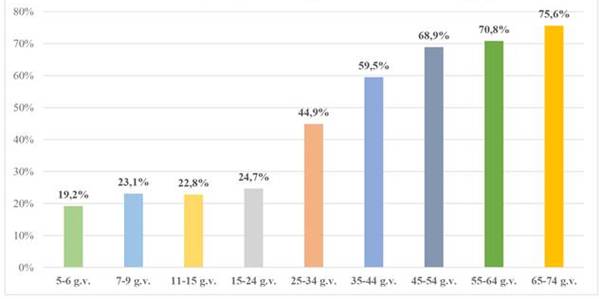
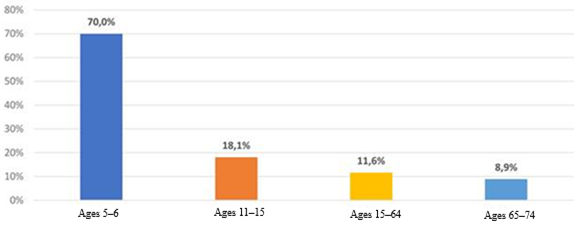
*Additional required funding is to be requested in accordance with the procedures laid down in laws and regulations under programme 80.00.00 "Undivided Funding for the Implementation of Projects and Measures Co-financed by the European Union Policy Instruments and Other Foreign Financial Assistance" of budget unit 74 "Funding to be Reallocated During the Implementation Process of the Annual State Budget", without exceeding the funding available for the specific objective and its measure under the European Union Cohesion Policy Programme 2021-2027, and also for investments under the Recovery and Resilience Facility plan. In 2025, the implementation of the measures provided for in the Plan shall be ensured in conformity with the allocated State budget funds. Allocation of additional State budget funds in 2026 and in each subsequent year shall be addressed in the Cabinet within the process of preparing and reviewing the draft law on the annual State budget and the medium-term budget framework, along with the applications for priority measures submitted by all ministries and central State institutions, in conformity with the financial possibilities of the State budget. If, during the process of preparing the draft law on the annual State budget and the medium-term budget framework, additional State budget funding for the implementation of the measures provided for in the Plan is not allocated or is allocated partially, the authorities responsible for the implementation of the measures of the Plan shall ensure the implementation of those measures provided for in the Plan which can be ensured within the scope of the allocated State budget funds. When planning and introducing support measures, they will be evaluated in the context of control of aid for commercial activity, and if all criteria referred to in Section 5 of the Law on Control of Aid for Commercial Activity are met, the measures will be introduced, applying the conditions of the relevant regulatory framework on aid for commercial activity. 2. Alignment with Other Policy Planning Documents It is emphasised in the National Development Plan 2021-202725 that the prevention of non-communicable diseases is a priority; therefore, various health policies shall be implemented, including for the control of obesity of the population. One of the action directions includes the task of raising awareness among the population, particularly the less active segment, and engaging it in cultural, sports, and physical activities, including active tourism activities, by offering and implementing diverse non-formal education, cultural policy, and physical activity initiatives. As for the improvement of access to State-funded healthcare services, the task is to ensure financial and geographical accessibility, and also to improve the existing services and develop new ones. It is indicated in the Guidelines26 that the risk of developing non-communicable diseases is largely attributable to the factors related to the lifestyle, including unhealthy diet and insufficient physical activity. The Guidelines include the action direction "Healthy and active lifestyle" which outlines the tasks for promoting healthy and balanced diet and increasing physical activity among the population, and also the action direction "People-centred and integrated healthcare". Action direction 2.1 "Future skills for future society" of the Education Development Guidelines 2021-202727 emphasises that the updated curriculum comprises knowledge and basic skills in various fields of learning, virtues, and transversal skills that must be reinforced in different fields of learning to promote the comprehensive (intellectual, socio-emotional, and physical) development of pupils and to build understanding of a healthy and safe lifestyle, including healthy diet and physical activity. It is indicated in the Plan for Improving Healthcare Services in Oncology 2022-202428 that malignant tumours are the second most common cause of death among the Latvian population, accounting for around one fifth of all deaths. The most significant risk factors for oncological diseases include excess body weight, unhealthy dietary habits, sedentary lifestyle, smoking, and alcohol consumption. One of the objectives of the plan is to promote habits of healthy lifestyle among the population by improving its knowledge and understanding of risk factors for oncological diseases. It is indicated in the Plan for Improving the Organisation of Mental Health Care 2023-202529 that eating disorders are common among adolescents. Algorithms for mental health professionals and family physicians were developed within the scope of the plan in 2021, including for diagnosis of eating disorders and appropriate assessment of treatment. It is also planned to develop and introduce a specialised eating disorder treatment programme in inpatient setting, specifically, in day hospitals, in order to ensure the continuity of healthcare services for patients with eating disorders. The Sports Policy Guidelines 2022-202730 provide for action directions aimed at promoting the accessibility of and opportunities for physical activity among the Latvian population, namely, the action direction 2 "Development of sports infrastructure" and action direction 3 "Sports and physical activity for an active and healthy society". "Development of sports for children and youth" has been identified as the priority action direction of sports policy. The European Programme of Work 2020-2025: United Action for Better Health31 sets out as its third priority the promotion of health and well-being, including support to ministries in their efforts to reduce risk factors for non-communicable diseases, including obesity. It also provides for support to health-related institutions in motivating the population to engage in physical activity and to adopt healthy dietary habits, including also educational and healthcare institutions. The WHO Global Action Plan on Physical Activity 2018-2030: More Active People for a Healthier World32 includes several guiding principles which are recommended to be incorporated into the policy framework of Member States to ensure their effectiveness, e.g., human rights, addressing of inequalities, science-based practice, proportionality of needs and possibilities, interinstitutional cooperation, and public engagement. The Physical Activity Strategy for the WHO European Region 2016-202533 sets out five priority areas: providing leadership and coordination for the promotion of physical activity; supporting the development of children and adolescents; promoting physical activity for all adults as part of daily life, including during transport, leisure time, at the workplace and through the health-care system; promoting physical activity among older people; supporting action through monitoring, surveillance, research, and evaluation of the tools introduced. 3. Background 3.1. Prevalence of Overweight and Obesity, and Its Consequences It is referred to in the Country Health Profile 2023 for Latvia34 that the obesity rate in Latvia remains far above the EU average. 43 % of all deaths in Latvia are attributed to a combination of lifestyle-related risk factors (unhealthy dietary habits, tobacco smoking, alcohol consumption, and low physical activity). Among the Latvian population, overweight and obesity emerge in early childhood and become more common with age (see Figure 1). Figure 1. Prevalence of excess body weight across different age groups
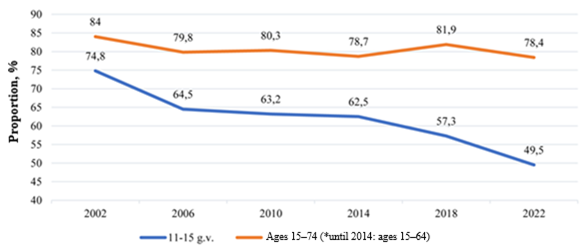
Overweight and obesity problems in children may cause various health disorders, including cardiovascular and metabolic disorders, that may lead to early infarction, gallstone diseases, type 2 diabetes, and other chronic diseases. They can also contribute to respiratory and liver dysfunctions, and also deep vein thrombosis, while girls may experience impairment of ovarian function. Excess body weight also affects the musculoskeletal system of children, causing orthopaedic problems, such as pain, potential femoral neck fracture, and flat feet. Obesity has a negative impact on mental health, causing serious mental and neurological disorders, including low self-esteem and risk of depression. Additionally, children with obesity may also experience difficulties in social life, develop various behavioural disorders, learning difficulties, and also problems with social adaptation.35 According to the WHO and the World Obesity Federation, children with overweight and obesity, compared to children with normal body weight, more frequently present poorer health indicators (including elevated blood pressure and metabolic disorders), low self-esteem, risk of experiencing bullying, and also poorer school attendance levels and poorer school achievements accordingly. Furthermore, they have poorer health indicators in adulthood, including a higher risk of cardiovascular diseases, and also poorer employment prospects and a lower-paid job.36 Thus, excess body weight in childhood leads to long-term consequences in adulthood and contributes to increased State expenditures on the healthcare system and on the State in general. Physical activity is one of the most important measures which may be taken by an individual to maintain and improve their health. Health benefits of regular physical activity include: • reduced risk of developing chronic diseases, and also prevention of their progression; • body weight control; • reduced risk of falls and bone fractures; • reduced stress levels and symptoms of depression; • reduced risk of developing neurodegenerative diseases and dementia; • prevention of risk of anxiety and depression. To gain health benefits, engaging in physical activity of any intensity and duration is better than being physically inactive. Physical activity tailored to an individual is recommended for everyone, regardless of their age, gender, physiological and functional condition.37 Conversely, sedentary behaviour has significant negative health effects, such as reduced bone mineral density, hypertension, dyslipidemia, and elevated risk of chronic diseases. Sedentary behaviour is associated with excess body weight and non-communicable diseases, including coronary artery diseases, stroke, diabetes, obesity, and also certain oncological diseases. The total sedentary time has been proven to be associated with risks of all-cause mortality. In a study comparing people with more than10 hours of sitting time per day and those with less than five hours of sitting time per day, the sitting time was significantly correlated with all-cause mortality.38 A study39 shows that a lack of physical activity has also a direct economic impact, namely, it has been estimated that Latvia loses more than 966 904 working days annually due to employees who engage in insufficient physical activity. Each physically inactive employee costs the Latvian economy EUR 814.21 annually, and decreased productivity caused by lack of activity results in a negative impact on the State budget revenue, reducing it by EUR 41.5 million; therefore, both employers and the State in general are interested in motivating the population to be active not only in terms of health but also economically. Employees suffering from chronic diseases in Latvia (with all other factors remaining unchanged) earn 8 % less than healthy employees. Gradual improvement of the health status of the Latvian population to the average level of the EU countries with a high employment rate can accelerate the annual GDP growth rate of Latvia. Improvement of the health status plays a key role in both reducing premature mortality and activating internal labour force reserves.40 Studies have proven the impact of alcohol consumption on the development of overweight and general and abdominal obesity.41 This is associated with excess calorie intake and the impact of alcohol on hormones that stimulate appetite and inhibit the fat oxidation processes, thereby increasing fat reserves in the body.42 The reported alcohol consumption in Latvia is the highest among EU and OECD countries.43 In order to reduce alcohol consumption, both the Guidelines and the Plan for the Improvement of Preventive Measures and Healthcare Services to Reduce the Prevalence of Alcohol Consumption and Drug Use 2023-202544 provide for measures aimed at promoting the change of habits and treating alcoholism. 3.2. Improvement of Dietary Habits and Physical Activity among the Latvian Population to Prevent the Development of Overweight (Primary Prevention) Unhealthy dietary habits and insufficient physical activity are the most significant causes of overweight and obesity; therefore, in order to effectively limit the prevalence of excess body weight among the Latvian population, it is necessary to implement targeted measures to change daily habits, promoting increased physical activity and the adoption of healthy dietary habits. 3.2.1. Change of Dietary Habits Skipping breakfast leads to snacking during the day and contributes to excess body weight in the long term.45 In recent years, the proportion of adolescents who regularly eat breakfast on weekdays keeps decreasing (see Figure 2). Accordingly, nearly half of children who do not include breakfast in their daily routine expose themselves to a significant risk factor for overweight and obesity. Figure 2. Trends in breakfast consumption
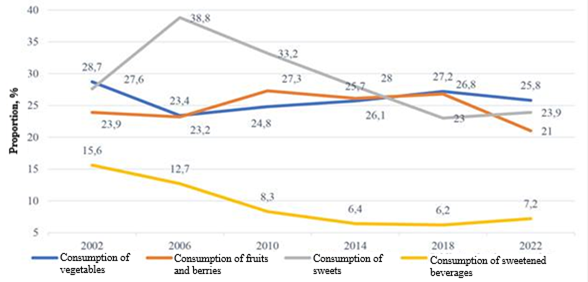
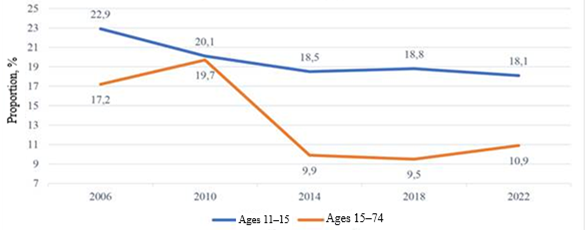
For health promotion, it is recommended to include at least five portions of fruits, berries, and vegetables in the daily diet;46 however, in Latvia, both children and adults consume insufficient amounts of fruits, berries, and vegetables, significantly lagging behind the average consumption indicators of European countries.47 Nevertheless, a positive long-term trend can be observed, namely, adolescents are increasingly less likely to consume sweets and sweetened, non-alcoholic beverages.48 The impact of the COVID-19 pandemic contributed to a deterioration of habits in 2022 compared to 2018 (see Figure 3). Figure 3. Dietary habits (food consumption at least once a day) of adolescents (aged 11-15)
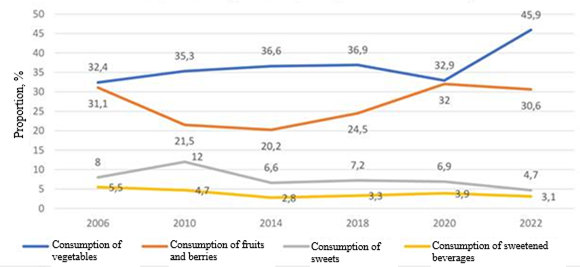
Although the dietary habits of adults are generally unhealthy, positive trends have been observed in the recent years, namely, an increased consumption of fresh vegetables, fruits, and berries. However, the consumption of biscuits, cakes, and sweets has increased slightly in daily nutrition (see Figure 4).49 Figure 4. Dietary habits (food consumption at least once a day) of the working-age population and population above the working age (aged 15-74)
Although dietary habits have improved over the long term, it is important to continue to implement measures aimed at promoting the adoption of healthy dietary habits in the daily routine and providing the population with the necessary skills by educating it on healthy food choices, eating patterns, and cooking, as studies show that the current level of health literacy among the Latvian population remains insufficient. For instance, individuals lack skills to objectively assess the amount of salt consumed through food and frequently use semi-processed food for home-cooked meals.50 They also tend to opt for industrially produced products that are energy-dense and high in saturated fatty acids, salt, and sugar, which is why it is crucial to educate the population on the benefits of home-cooked meals from the health, financial, and other perspectives. As part of the Plan, it is necessary to implement measures aimed at promoting healthy food choices, the change of dietary habits in the long term, and the preparation of healthy meals. In the recent years, there has been a significant increase in the number of pregnant women with obesity (from 574 in 2013 to 1232 in 2023) and gestational diabetes (from 0.9 % in 2010 to 10.1 % in 2023).51 In light of the above, it is important to raise awareness about a healthy lifestyle (sufficient sleep, stress reduction, balance between a healthy diet and energy expenditure through physical activity) among women of childbearing age and pregnant women. For the prevention of excess body weight in children, exclusive breastfeeding52 in the first four to six months of life is crucial.53 Although the majority (74.3 %) of parents of preschool children report that their children were exclusively breastfed during infancy, the average duration of breastfeeding was very short - 3.7 months. It is recommended to continue breastfeeding (also following the introduction of complementary feeding) for at least the first year of life, given its positive impact on the health of the child and the mother, their bond, and the dietary habits and body weight of the child later in life; however, a study shows that in Latvia, nearly one fifth (19.2 %) of five-year old children were not breastfed during infancy or received breast milk for less than one month.54 Therefore, it is necessary to continue to raise awareness about the importance of breastfeeding for the health of the child and the mother among expectant and new parents, and also to develop proper breastfeeding skills to promote the initiation and continuation of breastfeeding. In order to achieve this goal, an informative booklet Zīdīšanas ABC [Breastfeeding ABC]55 and nutritional recommendations for women during pregnancy and lactation have been developed.56,57 Within the scope of the Plan, it is necessary to further expand the use and accessibility of these materials, and also to ensure that the information provided is relevant, engaging, easy to understand, and accessible to pregnant women and new parents. In order to facilitate the implementation of healthy diet policy and to ensure higher-quality food in public authorities, and also to improve the possibilities of the population to become familiar with the composition of various products and make healthier food choices, it is planned to create a list of food products available on the Latvian market which would allow to select food products in accordance with the WHO nutrient profiling model, thereby facilitating the comparability of products in terms of healthiness.58 Additionally, considering the assessment carried out within the scope of task 1.1.3 of the Guidelines, it is planned to pilot a consumer-friendly and sustainable front-of-pack nutrition labelling scheme in Latvia to facilitate healthy food choices for consumers. At the same time, it is important to continue the reformulation of food products to ensure that healthy food products are more available in retail. Changes in food production, urbanisation, and changing lifestyles have led to a considerable shift in dietary habits, namely, people tend to choose energy-dense meals high in fats, free sugars and salt, and consume fewer fruit, vegetables, and also food rich in fibre.59 Therefore, in order to reduce the risks of overweight and obesity, action is necessary also in the food sector to ensure that the population has access to high-quality, safe, and nutrient-rich food. In order to promote a variety of healthier food products, a Memorandum of Cooperation between the MoH, the LFFC, and the LCCI on Reformulation of Food Products was concluded in 2022.60 The objective of the memorandum is to promote a variety of food products with reduced saturated fatty acids, added sugar, and salt. In order to support active involvement of food producers in the memorandum and to expand the range of reformulated food products on the market, the Plan provides for the implementation of measures for food producers to promote the exchange of good practices in reformulation of food products. At the same time, given that the memorandum was concluded relatively recently and that the reformulation of food products is a new initiative, it is necessary to inform the wider public of healthier food alternatives on the market, e.g., by publishing interviews with food producers on implemented reformulation of food products, promoting recommendations of nutritionists and practical food recipes where reformulated products can be used, creating a platform for the exchange of good practices, etc. People, especially children, heavily rely on marketing in their food choices, including on advertisements on television, radio, and in digital environments, such as social media, video games, and entertainment platforms. Marketing also extends to packaging, advertisements in magazines, outdoor advertising, sponsored media, and other forms of commercial communication. The WHO encourages Member States to monitor digital food marketing, with a particular focus on its impact on children and adolescents, and also to develop marketing restrictions.61 The CDPC ensured the participation of Latvia in the joint action Best-ReMap62 of the Commission until 2023, assessing the possibility of introducing a harmonised EU nutrient profiling model63 in Latvia to restrict unhealthy food marketing. As a continuation of the participation of the CDPC and the experience gained in the project, the Plan provides for the assessment of possibilities to restrict unhealthy food marketing. As early as 2011, the Memorandum of Cooperation between the MoH, the LFFC, and the LANABP on Changes in Advertising Non-alcoholic Beverages for Children64 was signed to reduce marketing aimed at children. The Memorandum of Cooperation provides for restrictions on the placement of advertising aimed at children (under the age of 12) in television, print media, and on the Internet. However, given the rapid digitalisation over the last years and the fact that children are increasingly using smartphones, are active on social media, play video games, and engage in other similar activities, the Memorandum of Cooperation has become less relevant, and its provisions are no longer effective in reducing the impact of advertising on children. Therefore, it is important to assess the possibility of reviewing the conditions of the memorandum, taking into account the current marketing trends and the habits of children regarding the use of smart devices to reduce the impact of unhealthy product advertising. More than one third (35.1 %) of the Latvian population eats out more than 3-4 times a week.65 At the same time, there has been a rapid proliferation of takeaway outlets in recent years (both in Riga and regional cities), especially due to the COVID-19 pandemic. Takeaway meals are usually more energy-dense (with more kcal), contain more fats, sugar, and salt, and are served in larger portions which encourages consumers to eat more, thereby increasing the risk of obesity and other chronic diseases. Furthermore, food delivery companies manage discount rewards that encourage more ordering and consumption.66 Therefore, it is important to implement measures to promote the distribution of healthy food products in cooperation with food producers, caterers, and retailers. In order to raise awareness among the population, to promote the understanding of the population about food nutritional value, and to support it in making healthier food choices, the Plan includes a measure aimed at developing proposals for the promotion of healthy dietary habits among the population in public catering establishments. For the purpose of promoting healthy dietary habits among learners, patients of medical treatment institutions, and clients of long-term social care and rehabilitation institutions and for ensuring access to healthy food products for children, the MoH has developed Cabinet Regulation regarding nutritional norms.67 It prescribes the nutritional norms and quality requirements for meal preparation in institutions, including food products that may be distributed in educational institutions in addition to the menu (e.g., through snack and beverage vending machines). The restrictions imposed on the distribution of unhealthy food products in educational institutions have proven to be effective in practice; however, it is necessary to identify the latest good practices and to introduce an appropriate approach in line with the latest healthy diet guidelines, recommendations from nutritionists and dietitians, and also scientific developments to ensure cost-efficient and modern catering services of the highest possible quality in the abovementioned institutions. Therefore, the Plan includes a measure aimed at reviewing, in cooperation with professionals in the field, the requirements of the regulatory framework regarding catering services in educational and medical treatment institutions, in long-term social care and rehabilitation institutions. Additionally, by Order of the Minister for Agriculture No. 157 of 30 November 2023, On the Establishment of a Working Group for the Development of a School Catering Concept, a working group was established with the aim of improving the school catering system in Latvia in order to provide learners with healthy and delicious meals prepared primarily from sustainable local products, while raising awareness among stakeholders involved in school catering about healthy diet, eating culture, and a sustainable lifestyle. Discussions of the working group led to the conclusion that, in order to facilitate the work of the personnel of educational institutions and providers of catering services, and also to improve the dietary habits of learners, it is necessary to develop guidelines for sustainable organisation of school catering that would complement the regulatory framework and clarify the practical aspects of organising the school catering process, such as the optimal duration of meals for children to be able to eat their lunch without rush, the principles of food serving that provide various options, etc.
3.2.2. Change of Physical Activity Habits Physical activity is defined as any bodily movements produced by skeletal muscles and requiring energy expenditure. They include exercises and other activities related to bodily movement, such as sports games, walking, cycling, household chores or gardening, swimming, active leisure activities, etc. Sufficient physical activity for adults is considered 150-300 minutes of moderate-intensity activity or 75-150 minutes of vigorous-intensity activity per week, while children should do at least an average of 60 minutes of moderate- to vigorous-intensity physical activity daily.68,69 Meanwhile, sedentary behaviour refers to any waking behaviour characterised by a low energy expenditure, such as desk-based office work, travelling by public transport, playing of video games, etc. The causes of a sedentary lifestyle include: • environmental factors (e.g., lack of sidewalks, intensive traffic, lack of active leisure opportunities); • increased use of modern technologies; • social factors (e.g., health-related restrictions, lack of like-minded peers, material deprivation); • cultural factors.70 Overall, the lifestyle of the Latvian population can be described as sedentary, and physical activity decreases with age (see Figure 5). Figure 5. Proportion of the population with sufficient physical activity by age group
In recent years, the level of physical activity among the Latvian population has increased (see Figure 6). Sedentary behaviour among children is also associated with exemptions from sports classes issued by medical practitioners for extended periods, without adapting the level of physical activity to the capabilities and health status of the pupil. A study conducted in Latvia71 shows that children who reach a sufficient level of physical activity tend to consume more fruits and vegetables and eat breakfast more frequently. Figure 6. Changes in the proportion of the Latvian population with sufficient physical activity by year
The Latvian population is mainly active for health and fitness reasons, and also motivated by opportunities to relax, engage in entertaining activities, control weight, and improve visual appearance. At the same time, the most common reasons for not engaging in physical activity include lack of motivation and interest, disability or illness, costs, unwillingness to compete with others, and fear of injury.72 In order to promote changes in physical activity habits among the population, it is necessary to strengthen the perception that physical activity is a value and an important part of the daily routine, and also to provide opportunities to engage in physical activity free of charge, as close as possible to the home and workplace of the population in order to motivate them to adopt a more active lifestyle. The Plan also seeks to address the issue of exempting learners from participation in "Sports and Health" classes for extended periods, without providing any indications on engagement in physical activity appropriate and adapted to the health status of the learner during the period of exemption. In order to ensure optimal physical load even when the amount or type of movement is restricted, it is important to educate medical practitioners in providing clear guidance to educational institutions and educators on the adaptation of physical activity to the health status and capabilities of the learner. An audit implemented by the State Audit Office73 led to the conclusion that different population groups have different capabilities and access to sports and other physical activities in local governments. The promotion of physical activity in local governments is primarily characterised by the engagement of children and young people (4-5 % of the population) in physical education activities offered by vocational education and interest-based sports education programmes and the maintenance of infrastructure in line with capacity indicators - primarily for activities aimed at children and young people and professional sports. Information on opportunities for engaging in physical activity published by local governments does not generally target a specific population group, therefore the less active segment of the population is not proactively encouraged to engage in physical activities. Taking into account the conclusions and recommendations of the State Audit Office, it is provided for in the Plan to promote more active engagement of the population in physical activities offered by local governments by identifying the needs of individuals and purposefully directing funding for the promotion of physical activity in the local community. Sports clubs play an important role in promoting the engagement of the population in physical activity, as they provide active leisure opportunities for the population. According to the information provided by the LHFA, around 160 000 Latvian residents use the services provided by sports clubs. Within the scope of the Plan, it is intended to develop recommendations for sports clubs on the creation and implementation of health-promoting physical activities for different target groups (e.g., seniors, pregnant women, and children) to ensure that more residents use physical activity opportunities offered by the sports and fitness industry. At the same time, it is planned to promote cooperation between sports organisations to improve local access to physical activities in the regions and participation of residents in such activities.
3.2.3. Comprehensive Measures for the Reduction of Overweight Health literacy is the ability of a person to obtain, process, and understand information on health and healthcare services, including medical treatment, in order to take appropriate and health-relevant decisions. Action sub-direction 3.3 "Engagement of a patient and his or her family in healthcare" of the Guidelines includes task 3.3.2 "Promoting the improvement of health communication and health literacy among the population, thereby increasing care of people for their health". Within the scope of the Plan, it is also necessary to implement the cross-sectoral objective, namely, to improve health literacy among the Latvian population by ensuring more active engagement of people in maintaining their health status and preventing and treating diseases, including obesity. It should be noted that the body weight of a person is affected not only by their dietary habits and physical activity but also by other important factors, such as sleep, mental health, environment in which a person lives, studies, or works, and, in some cases, by a combination of several risk factors. Therefore, intersectoral cooperation is of significance for the solving of this problem, raising awareness of health as a value and improving health literacy among the population in general. So far, the MoH, in cooperation with the CDPC and other cooperation partners, including NGOs representing medical practitioners, has developed and updated nutritional recommendations for various population groups, and also informative materials to facilitate the perceptibility of the fundamental principles of healthy diet and their introduction in daily life;74 although individuals and NGOs have reported that the developed materials are of high quality and visually appealing, they are difficult to find and are therefore not used sufficiently. During the period of the Plan, it is necessary to improve accessibility and popularity of informative materials, to update them, and also to promote the recognisability and use of the websites administered by the MoH and the CDPC among the Latvian population, particularly among specific target groups (e.g., seniors, patients, pregnant women, etc.). According to population surveys75 and professionals from the sports sector, individuals do not engage in physical activity due to financial reasons, given that, for instance, participation fees for sports events have increased significantly in recent years. Therefore, both the Sports Policy Guidelines 2022-2027 and the Plan provide for the possibility of exploring opportunities and introducing a financial compensation mechanism to cover the expenses related to physical activity. At the same time, it is also necessary to evaluate the possibility of using fiscal policy instruments for the promotion of healthy food consumption, taking into account that population groups with a lower socio-economic status are more likely to adopt unhealthy dietary habits due to external factors, such as physical accessibility, financial capacity, targeted marketing, food quality.76 With the support from the MoW, the Guidelines for Health Promotion at Workplace were developed in 2014;77 however, given that new recommendations for promoting a healthy lifestyle have been published in recent years, and also working conditions have changed (remote work has become more relevant), it is necessary to review and update the guidelines for workplaces. In addition, considering the current habits among the population and its increasing preference for digital solutions, it is necessary to develop interactive educational materials, video lectures, practical tasks, compiling examples of good practice and other information for workplaces to promote a healthy lifestyle. A large proportion of children start to attend PEIs from around the age of one and a half years, therefore health promotion measures in educational institutions can be initiated at an early age. Within the scope of the Plan, it is necessary to develop practical materials on healthy diet and physical activity, and to provide training to pre-school education and primary education teachers. In order to ensure continuity of health education throughout the educational path of a child, it is necessary to develop methodological materials for general education institutions, with a particular focus on the reduction of risk factors for overweight and obesity and the adoption of good practice examples. Educational institutions play a key role in promoting physical activity among learners as they provide an environment where learners spend a large part of their time on weekdays and it is possible to ensure safe conditions for physical activity and educator support where necessary. In addition to the activities (sports classes) implemented in educational institutions, interest-based education opportunities in sports schools and within the scope of sports organisation also contribute greatly to the promotion of physical activity among children. As the child grows, the surrounding environment and family lifestyle, including diet, leisure activities, physical activity, stress management, attitudes towards the body, sleep patterns, and other factors, play a key role in shaping health-related habits, therefore the example set by parents is of great importance. However, only a small proportion of parents engage in various physical activities on a daily basis together with their children, most commonly in physically active games (17.1 %).78 For children to be able to shape their habits related to physical activity, it is important to work actively with their parents by improving their knowledge, skills, and capacities and providing support for engaging in physical activity. According to studies, weight stigma and a negative attitude towards body mass present health risks regardless of the BMI of the person. People who experience weight-related stigma are 2.5 times more likely to become obese, while people with excess body weight are three times less likely to lose excess weight.79 Experiences involving negative attitudes increase the risk of eating disorders80 and mental health disorders (depression, anxiety, suicidal thoughts, etc.).81 If a physician attributes the cause of a complaint to excess body weight at every appointment, patients are less likely to seek medical assistance,82 they become less physically active and feel embarrassed about exercising in public.83 Over time, weight stigma increases the mortality risk. Therefore, during the implementation of the measures of the Plan, it is necessary to raise awareness of weight stigma and to promote its elimination.
3.3. Reduction of Overweight and Prevention of Obesity (Secondary Prevention) Secondary prevention focuses on early detection and stopping the progression of diseases; therefore, targeted measures are necessary for population groups with excess body weight in order to stop body weight gain and prevent further progression of the disease, thereby preventing the development of non-communicable diseases. Economic investment in early childhood, including for the reduction of excess body weight in women already during pregnancy, can yield a 10-to-1 benefit to cost ratio in health, social, and economic benefits, and also reduce the risk of non-communicable diseases in later life.84 Within the scope of the Plan, it is intended to update the materials for medical practitioners (including gynaecologists, family physicians, midwives, advanced practice nurses)85 for work with pregnant women who are overweight and obese, with the aim of preventing further body weight gain and promoting health, and also to ensure training on these issues (including through video lectures, seminars). This would ensure that medical practitioners who most frequently consult pregnant women follow a unified approach to medical treatment, and also maintain certain cooperation with other medical practitioners who should be involved in consulting such pregnant women. A large proportion of parents are unable to objectively assess weight of their children and identify excess body weight issues.86 Therefore, in order to promote the health of children, to motivate parents to set a good example for their children, and to ensure that they seek medical assistance earlier, it is important to implement educational measures for parents on early identification of overweight in children, preventive measures, physical activities, and access to medical assistance. Negative attitude towards the body and excess body weight may contribute to mental health disorders, including the development of eating disorders, which, in turn, may increase the risk of obesity, therefore it is important to implement preventive measures to raise awareness among parents about positive attitudes towards the body and addressing weight stigma, while also focusing on respectful ways to communicate about the need to reduce body weight for health promotion purposes. Data from a study on health-related habits among the Latvian population show that 10.5 % of respondents have increased physical activity for health reasons over the past year.87 At the same time, only 10.8 % of respondents reported that a healthcare professional had recommended that they increase physical activity within the last year. Given that the majority of the Latvian population is insufficiently physically active, it is necessary to strengthen the engagement of healthcare professionals in the promotion of physical activity. Therefore, the Plan seeks to implement several measures to increase the engagement of medical practitioners in the promotion of physical activity. A physical activity prescription was introduced in Latvia in 2015; however, it is not widely used in practice as healthcare professionals lack motivation to use it and do not possess the necessary knowledge and skills to issue the prescription to patients. It is intended to update the prescription according to the latest physical activity recommendations, to develop a methodological material for healthcare professionals, and to implement training, and also to promote the use of the prescription in practice.
3.4. Diagnosis and Treatment of Obesity (Tertiary Prevention) In order to address overweight and obesity issues, it is first important to identify it and understand where to seek assistance. Although a large proportion of the Latvian population is effectively overweight, only 30.1 % of individuals identify it.88 It leads to the conclusion that the opinion of adults about their body weight is not always objective. At the same time, the WHO notes that weight bias can have a negative impact on the quality of healthcare.89 Therefore, in many cases, individuals with excess body weight do not to seek assistance to address their health problems. Healthcare professionals play a key role in the detection of excess body weight, early diagnosis, and provision of further consultations and treatment; however, obesity is not diagnosed in all individuals who present this condition based on their anthropometric parameters. According to the NHS data, in 2022, obesity was identified as the primary diagnosis in 10 182 individuals in Latvia, including 3968 children, and as the secondary diagnosis in 29 864 individuals, including 4474 children (unique cases). Currently, only one fifth of the respondents with excess body weight have received recommendations from medical practitioners to reduce their body weight over the past year, while only 9.3 % of respondents who are insufficiently physically active reported that their physician had recommended them to increase physical activity over the past year. In order to reduce obesity in adults, efforts should focus on the improvement of the overall health status of patients, rather than solely on the reduction of excess body weight.90 Similarly, it is necessary to carry out a comprehensive assessment of the health status and degree of obesity of the patient and to evaluate the likelihood of eating disorders and other mental health disorders, and also other possible causes of excess body weight. One of the examinations undergone by patients as part of the annual preventive health checks is the BMI calculation, therefore the family physician and the nurse91 working in a family medicine practice are among the first professionals who can identify overweight or obesity in a patient, consult on further steps and the engagement of other professionals, and also monitor progress of the patient. However, at present, there is no unified information prepared for healthcare professionals in Latvia regarding the identification of overweight and obesity, the addressing of weight bias and the obstacles created thereby, and also further steps for initiating appropriate treatment. In order to support medical practitioners in their work with patients who are obese, the Plan seeks to develop an algorithm for family physicians and implement training on the examination of patients who are overweight and obese, the diagnosis of obesity, and also the management of the treatment process. To ensure a sustainable long-term result, the measures provided for in the Plan must be focused on the reduction of weight stigma. At the same time, it is necessary to expand treatment possibilities and accessibility of services for patients. One of the most important interventions is dietary correction for the purpose of reducing weight; therefore, within the scope of the Plan, it is necessary to ensure that patients with obesity and chronic diseases have access to outpatient consultations provided by nutritionists and funded from the State budget funds. In order to help reduce obesity in children and provide appropriate treatment where necessary, the CCUH has developed a weight correction programme. By the first quarter of 2023, a total of 1232 children had participated in the programme since 2014. Around 152 children are admitted to the programme annually, and the average waiting time is 90 days. The programme is aimed at children from approximately 10 years of age who are motivated to correct their weight and are able to engage in planning and preparing their meals. Participation in the programme requires a referral from a paediatric endocrinologist at the CCUH or a physical and rehabilitation medicine physician (a child is referred to a physical and rehabilitation medicine physician or paediatric endocrinologist by the family physician). The programme is implemented by a multi-rehabilitation team92, and it involves the assessment of the general health and functional status, identification of musculoskeletal problems, tests regarding general physical capacity of the child, and also teaching various skills required to develop healthy dietary habits and physical activity. This allows to conduct a comprehensive assessment of the health status and capabilities of the child and to provide mutually coordinated recommendations. The programme assessment which refers to the period from 2014 to 2017 led to the conclusion that 65 % of patients who participated in the programme managed to reduce their BMI.93 Until 2019, long-term monitoring of patients and assessment of results were performed under the programme but, due to a lack of resources, these measures are no longer implemented; therefore, it is necessary to plan resources for future assessments to enable the monitoring of the programme performance indicators. In order to enhance the services provided by the CCUH for the reduction of overweight in children, it is necessary to improve and expand the weight correction programme. It is currently planned that, in the future, the programme could admit children aged 7-12, with a BMI above the 85th percentile. Children participate in the programme together with their families, and their eligibility and motivation for participation in the programme is previously assessed by a paediatrician/endocrinologist. 300 first-time patients could participate in the programme annually. Implementation of the programme could be continued by a multi-rehabilitation team comprising a paediatric endocrinologist, a paediatrician, a physiotherapist, an occupational therapist, a nutritionist, a psychologist, a child psychiatrist, and a paediatric general care nurse. For first-time patients, the weight correction programme will ensure the assessment of general health status, screening for obesity-related complications, individual consultations with specialists, group sessions, and ongoing monitoring. Ongoing monitoring is necessary to assess the progress, provide support, and, where necessary, make various adjustments according to the health status or other factors. Overall, 4 to 8 appointments would be provided to patients each year, depending on the needs of the child and family. It is intended that such intensive work with each programme participant will result in a clinically significant weight correction, with the reduction of BMI z-score94 by at least 0.20 units per year and 35 % of patients achieving weight correction. According to the CCUH specialists, one of the current challenges of the multi-rehabilitation programme for weight correction is to ensure participation opportunities for all interested participants, and also to provide possibilities for parents from the regions to remain in Riga for several days which is often associated with additional expenses that are not affordable for all families. Therefore, it is intended to develop specialised weight correction programmes also in regions which would be accessible to families with children diagnosed with mild or moderate obesity. Regional services would be provided by a paediatrician, a nutritionist, a physiotherapist, and a psychologist. Unfortunately, there are currently no specialised weight correction programmes for adults, and services directly related to the reduction of overweight and obesity (e.g., services provided by a nutritionist or physiotherapist) are most often only fee-based, and also limited, especially in the regions. It is important to provide individuals with the opportunity to address excess body weight issues and the psychological consequences caused by weight stigma as early as possible to prevent progression to obesity and non-communicable diseases which generally reduces the quality of life of an individual, and also increases the burden on the healthcare system. Given that obesity has several causes, appointments with individual specialists might not provide the necessary assistance and prescription of medical treatment appropriate to the specific case. Therefore, it is intended to launch a pilot project that focuses on the reduction of obesity in adults with or without chronic diseases. Within the scope of the programme, it is planned to engage an endocrinologist, a general care nurse who has acquired methods for training diabetes patients, an advanced practice nurse, a physiotherapist, an occupational therapist / orthopaedic technician, a clinical psychologist, and a customer services specialist. It is intended that patients would be admitted in groups (each with 6-8 participants), and assistance could be provided to a total of 250 patients throughout the year. The programme is to take place within a period of 14 weeks, including both individual consultations and group sessions. The objective of the programme is to achieve 5 % reduction in body weight compared to the initial body weight, and it is expected to be reached by 80 % of programme participants. In addition, this would allow to improve the following health indicators: fasting glucose level, triglyceride level in blood, and waist circumference. At the same time, pharmacotherapy may be prescribed for severely obese patients who have made long-term attempts to reduce excess body weight by changing their lifestyle habits without success. According to the LAE specialists, body weight reduction prior to endoprosthesis is particularly important for men with a BMI > 35 and women with a BMI > 40 to ensure the effectiveness of the procedure; therefore, within the scope of the Plan, it is intended to evaluate the possibility of reimbursing medications for the treatment of severe obesity prior to endoprosthesis from the State budget funds. In addition, in certain cases involving patients with severe obesity and comorbidities who require urgent body weight reduction to improve treatment outcomes, State-funded bariatric surgery should be ensured. Introduction of this service is planned within the scope of the innovation laboratory launched by the NHS, under pilot project "Value-based Bariatric Surgery Service Model". This pilot project aims at establishing a multidisciplinary team for the treatment of patients with obesity, and also developing an obesity treatment pathway and criteria for the selection of patients, ensuring the treatment and post-operative monitoring of these patients, collecting and analysing the results, and also developing a payment model for the service. It is planned to involve 250 patients in the pilot project. Bariatric surgeries are expected to result in sustained reduction of excess body weight by at least 25 % at six months after surgery and 50 % at 12 months. At the same time, it is also expected that patients will be able to improve other health indicators, namely, reduce blood glucose, blood pressure, and cholesterol levels, thereby also reducing the risk of cardiovascular diseases. Accordingly, the pilot project will allow to draw conclusions and obtain evidence regarding the introduction of this service in the package of State-funded services. An important public health concern is the inappropriate use of medications95 and dietary supplements, including for weight reduction purposes. A study shows that 31.2 % of respondents use dietary supplements, including amino acid cocktails and plant-based products for which the nutrient content cannot be determined.96 Given the high prevalence of inappropriate use of dietary supplements and medications among the Latvian population, and also risks associated with their use, it is important to raise awareness of the justification for and risks associated with the use of dietary supplements and medications.97
3.5. Effectiveness of Measures for the Reduction of the Increasing Prevalence of Overweight and Obesity In recent years, the prevalence of obesity has shown an upward trend, despite the introduction of various initiatives aimed at promoting healthy dietary habits and physical activity, for example, restrictions on added sugar in public institution menus,98 a differentiated excise duty rate for non-alcoholic beverages depending on sugar content,99 physical activities for individuals in each local government free of charge, etc. Although health-related habits of the population are monitored on a regular basis, there is a lack of analytical evaluation of the situation regarding the most effective ways of promoting the change of habits among the population. It is intended, within the scope of the Plan, to address this problem by providing that in the final year of the Plan, the CDPC shall conduct an assessment of the prevalence of overweight and obesity in Latvia, analysing the effectiveness and long-term impact of the implemented measures, and also shall present the assessment to a wider professional audience and the public. Although several studies are regularly conducted in Latvia to analyse the habits and health indicators of children, there is a lack of a comprehensive assessment of the overall health status of children, trends over time, and also effectiveness of the implemented policy; therefore, it is necessary to develop health monitoring of children by implementing a systematic long-term approach to the health monitoring of children.
4. Objective and Tasks to be Performed
5. Assessment of the Impact on State and Local Government Budgets Summary of Funding Required for the Implementation of the Measures Included in the Plan
*Additional required funding is to be requested in accordance with the procedures laid down in laws and regulations under programme 80.00.00 "Undivided Funding for the Implementation of Projects and Measures Co-financed by the European Union Policy Instruments and Other Foreign Financial Assistance" of budget unit 74 "Funding to be Reallocated During the Implementation Process of the Annual State Budget", without exceeding the funding available for the specific objective and its measure under the European Union Cohesion Policy Programme 2021-2027, and also for investments under the Recovery and Resilience Facility plan. 1 Overweight (BMI 25-29.99 kg/m2) and obesity (BMI ≥30 kg/m2) 2 Eurostat. 2024. 3 WHO, 2022. WHO European region obesity report 4 A. Talmor, B. Dunphy, 2015. Female Obesity and Infertility. 5 Natalie S. The, Linda S. Adair, Penny Gordon-Larsen, 2010. A study of the Birth Weigth - Obesity Relation Using a Longitudinal Cohort and Sibling and Twin Pairs. 6 Schack-Nielsen et al, 2010. Gestational weight gaini n relation to offspring body mass index and obesity from infancy through adulthood. 7 Scott M. Nelson, Phillippa Matthews, Lucilla Poston, 2010. Maternal metabolism and obesity: modifiable determinants of pregnancy outcome. 8 WHO, 2017. Weight bias and obesity stigma: considerations for the WHO European Region 9 OECD, 2019. Heavy-burden-of-obesity-Policy-Brief-2019.pdf (oecd.org) 10 Here and hereinafter - industrially produced food products that are energy-dense and high in fats, added sugars, and salt. 11 OECD, 2019. Heavy Burden of Obesity. The economics of prevention. A quick guide for policy makers. 12 MoH, 2020. Nutritional Recommendations for Adults 13 OECD, 2023. Latvia: Country Health Profile 2023 14 CDPC, Database of Causes of Death of the Latvian Population (May 2024) 15 WHO, 2022. Physical activity 16 OECD/WHO, 2023. Step Up! Tackling the Burden of Insufficient Physical Activity in Europe 17 WHO, 2023. Health service delivery framework for prevention and management of obesity 18 Eurostat, 2022. 19 https://likumi.lv/ta/id/349266-par-valdibas-ricibas-planu-deklaracijas-par-evikas-silinas-vadita-ministru-kabineta-iecereto-darbibu-istenosanai 20 WHO, 2022. WHO European regional obesity report 2022. 21 Pekka Puska, Paresh Jaini, 2020. The North Karelia Project: Prevention of Cardiovaskular Disease in Finland Through Population-Based Lifestyle Interventions. 22 WHO, 2023. Health service delivery framework for prevention and management of obesity 23 WHO, 2022. WHO acceleration plan to stop obesity 24 Plan for Improving the Organisation of Mental Health Care 2023-2025 25 NAP2027 26 Guidelines 27 Education Development Guidelines 2021-2027 28 Plan for Improving Healthcare Services in Oncology 2022-2024 29 Plan for Improving the Organisation of Mental Health Care 2023-2025 30 Sports Policy Guidelines 2022-2027 31 WHO, 2021. European Programme of Work 2020-2025: United Action for Better Health 32 WHO, 2018. Global action plan on physical activity 2018-2030: more active people for a healthier world 33 WHO, 2016. Physical activity strategy for the WHO European Region 2016-2025 34 OECD/European Observatory on Health Systems and Policies, 2023. Latvija: Valsts veselības profils 2023. 35 CCUH, 2024. Overweight and Obesity in Children. 36 WHO, World Obesity Federation, 2018. Taking Action on Childhood Obesity. 37 WHO, 2020. WHO guidelines on physical activity and sedentary behaviour 38 Park et al. 2020. Sedentary Lifestyle: Overview of Updated Evidence of Potencial Health Risks. 39 Deloitte, 2023. Economic Health and Societal Well-being: Quantifying the Impact of the Global Health & Fitness Sector - Latvia. 40 O. Krasnopjorovs, 2024. How to Achieve SUSTAINABLE Growth of Latvian Economy? The Path to Strengthening Human Capital. Part 1 of an article on promoting Latvia's growth. 41 Golzarand et al., 2022. Association between alcohol intake and overweight and obesity: a systematic review and dose-response meta-analysis of 127 observational studies 42 G. Traversy, Je.P. Chaput, 2015. Alcohol Consumption and Obesity: An Upadete. 43 OECD data on alcohol consumption 44 Plan for the Improvement of Preventive Measures and Healthcare Services to Reduce the Prevalence of Alcohol Consumption and Drug Use 2023-2025 45 Niemeier et al, 2006. Fast food consumption and breakfast skipping: Predictors of weight gain from adolescence to adulthood in a nationally representative sample. 46 MoH, 2020. Recommendations on the Consumption of Vegetables, Fruits, and Berries in the Diet 47 OECD/European Observatory on Health Systems and Policies, 2023. Latvija: Valsts veselības profils 2023. 48 Data from the Study on Health-related Habits among Latvian Pupils, school year 2022/2023 49 Study on Health-related Habits among the Latvian Population, 2022 50 MoH, 2020. Study on Salt and Iodine Intake among the Adult Latvian Population 51 Data from the Register of Newborns 52 The infant is exclusively breastfed. Other liquids or foods are not given, except for rehydration solutions, vitamins, minerals, or medications. 53 WHO, 2022. WHO European Regional Obesity Report. 54 M. Pranka, I. Briška, 2021. Study on Physical Activity, Dietary Habits, and BMI among Preschool Children in Latvia 55 CDPC, 2017. Breastfeeding ABC 56 MoH, 2017. Nutritional Recommendations for Women during Pregnancy 57 MoH, 2022. Nutritional Recommendations for Women during the Lactation Period 58 WHO, 2023. WHO Regional Office for Europe nutrient profile model: second edition 59 WHO, 2020. Healthy diet 60 MoH, 2022. Memorandum of Cooperation between the MoH, the LFFC, and the LCCI on Reformulation of Food Products 61 WHO, 2022. WHO European Regional Obesity Report. 62 https://bestremap.eu/ 63 The WHO defines nutrient profiling as the science of classifying or ranking foods according to their nutritional composition for reasons related to preventing disease and promoting health. 64 MoH, 2011. Memorandum of Cooperation between the MoH, the LFFC, and the LANABP on Changes in Advertising Non-alcoholic Beverages for Children 65 Siksna I., Lazda I., Goldmanis M., 2020. Study on Salt and Iodine Intake among the Adult Latvian Population 66 WHO, 2022. WHO European Regional Obesity Report. 67 Cabinet Regulation No. 172 of 13 March 2012, Regulations Regarding Nutritional Norms for Educatees of Educational Institutions, Clients of Social Care and Social Rehabilitation Institutions and Patients of Medical Treatment Institutions 68 WHO, 2020. WHO guidelines on physical activity and sedentary behaviour 69 WHO, 2019. Guidelines on physical activity, sedentary behaviour and sleep for children under 5 years of age. 70 WHO, 2018. Global action plan on physical activity 2018-2030: more active people for a healthier world. 71 Raudeniece et al., 2024. Relations between the levels of moderate to vigorous physical activity, BMI, dietary habits, cognitive functions and attention problems in 8 to 9 years old pupils: network analysis (PACH Study) 72 Eurobarometer, 2022. Sport and physical activity 73 State Audit Office, 2023. Do Local Governments Promote the Engagement of the Population in Physical Activity? 74 Recommendations on healthy diet developed by the MoH 75 Eurobarometer, 2022. Sport and physical activity 76 Global Nutrition Report, 2022. Food systems and nutrition equity 77 RSU, 2014. Health Promotion at Workplace 78 M. Pranka, I. Briška, 2021. Study on Physical Activity, Dietary Habits, and BMI among Preschool Children in Latvia 79 Sutin & Terraciano, 2013. Percieved weight discrimination and obesity. 80 Vartanian & Porter, 2016. Weight stigma and eating behavior: A review of the literature. 81 Emmer, Bosnjak, Mata, 2019. The association between weight stigma and mental health: A meta-analysis. 82 Tomiyama, 2014. Weight stigma is stressful. A review of evidence for the Cyclic Obesity/Weight - Based Stigma model. 83 Vartanian & Novak, 2011. Internalized societal attitudes moderate the impact of weight stigma on avoidance of exercise. 84 Public Health England, 2019. Health matters: prevention - a life course approach. 85 In accordance with the occupational standard, the tasks of an advanced practice nurse are as follows: to organise and manage evidence-based health promotion and preventive measures for an individual, group, or community and to provide medical assistance in cases of the most common endocrine diseases. 86 M. Pranka, I. Briška, 2021. Study on Physical Activity, Dietary Habits, and BMI among Preschool Children in Latvia 87 Study on Health-related Habits among the Latvian Population, 2022 88 Study on Health-related Habits among the Latvian Population, 2022 89 WHO, 2017. Weight bias and obesity stigma: considerations for the WHO European Region 90 WHO, 2023. Health service delivery framework for prevention and managment of obesity. 91 In accordance with the occupational standard, the task of a nurse (general care nurse) is to provide primary healthcare and home-based care to persons of all ages and to be able to plan and implement health promotion and prevention of diseases. 92 CCUH, 2023. Weight Correction Programme 93 Gailīte et al., 2019. Short-term predictors for weight correction success of the first paediatric weight correction programme in Children's Clinical University Hospital in Riga. 94 For calculating BMI in children, the following WHO methodology appropriate for the child's sex and age is used: the SD scores (Z-scores) method and the percentile method. 95 D. Gulbe, 2023. The Magic Injection for Weight Loss: Hype around Ozempic 96 Siksna I., Lazda I., Goldmanis M., 2020. Study on Salt and Iodine Intake among the Adult Latvian Population 97 Sīle et al., 2015. Issues Associated with Irrational Use of Medications 98 Cabinet Regulation No. 172 of 13 March 2012, Regulations Regarding Nutritional Norms for Educatees of Educational Institutions, Clients of Social Care and Social Rehabilitation Institutions and Patients of Medical Treatment Institutions 99 Section 15 of the law On Excise Duties 100 Data from the Study on Health-related Habits among Latvian Pupils 101 Data from the Study on Health-related Habits among the Latvian Population 102 Data from the Study on Child Anthropometrics and School Environment Minister for Health H. Abu Meri Annexes Translation © 2026 Valsts valodas centrs (State Language Centre) |
Document information
Title: Par Rīcības plānu liekā svara un aptaukošanās izplatības pieauguma mazināšanai 2025.–2029. ..
Issuer: Cabinet of Ministers
Type:
order
Document number: 691Adoption: 22.10.2025.Entry into force: 22.10.2025.Publication: Latvijas Vēstnesis, 206, 24.10.2025.
OP number:
2025/206.1
Language:   Policy planning document Title: Par Rīcības plānu liekā svara un aptaukošanās izplatības pieauguma mazināšanai 2025.–2029. .. Type: planField of politics: Public health; Health care; Health policy Responsible authority: Ministry of Health Related documents
|
|||||||||||||||||||||||||||||||||||||||||||||||||||||||||||||||||||||||||||||||||||||||||||||||||||||||||||||||||||||||||||||||||||||||||||||||||||||||||||||||||||||||||||||||||||||||||||||||||||||||||||||||||||||||||||||||||||||||||||||||||||||||||||||||||||||||||||||||||||||||||||||||||||||||||||||||||||||||||||||||||||||||||||||||||||||||||||||||||||||||||||||||||||||||||||||||||||||||||||||||||||||||||||||||||||||||||||||||||||||||||||||||||||||||||||||||||||||||||||||||||||||||||||||||||||||||||||||||||||||||||||||||||||||||||||||||||||||||||||||||||||||||||||||||||||||||||||||||||||||||||||||||||||||||||||||||||||||
|
Latvijas Vestnesis, the official publisher ensures legislative acts systematization function on this site. All Likumi.lv content is intended for information purposes. |
About Likumi.lv News archive For feedback Training Contacts |
Mobile version Terms of service Privacy policy Cookies Accessibility |
|